
We commonly evaluate patients experiencing:
Orthobiologic treatment options may include:
Platelet-rich plasma, or PRP, is prepared from a sample of the patient’s own blood. The platelets are concentrated and then injected into the targeted joint under image guidance when appropriate.
Bone marrow aspirate concentrate or adipose-derived orthobiologic options may also be discussed in selected cases. Whether these treatments are available and appropriate depends on the joint involved, diagnosis, severity of degeneration, medical history, applicable regulations, and clinical judgment.
The goal is to provide a targeted treatment option based on the patient’s condition. Orthobiologic injections cannot reverse every form of arthritis and should not be presented as a guaranteed alternative to surgery.
Tendons and ligaments can become painful after an acute injury, repetitive stress, overuse, or gradual tissue degeneration. Symptoms may include localized pain, tenderness, weakness, stiffness, or difficulty returning to normal activity.
Treatment options may include:
PRP may be considered for selected tendon, ligament, or soft-tissue conditions based on the affected structure, duration of symptoms, imaging findings, and response to prior treatment.
Image guidance helps the provider visualize the injured area and place treatment accurately near the targeted tendon, ligament, or soft tissue.
Bone marrow or adipose-derived options may be evaluated in selected cases when clinically appropriate and compliant. These treatments are not recommended automatically for every injury, and the expected benefits, limitations, and alternatives should be discussed before moving forward.
PRP may be considered for selected cases involving:
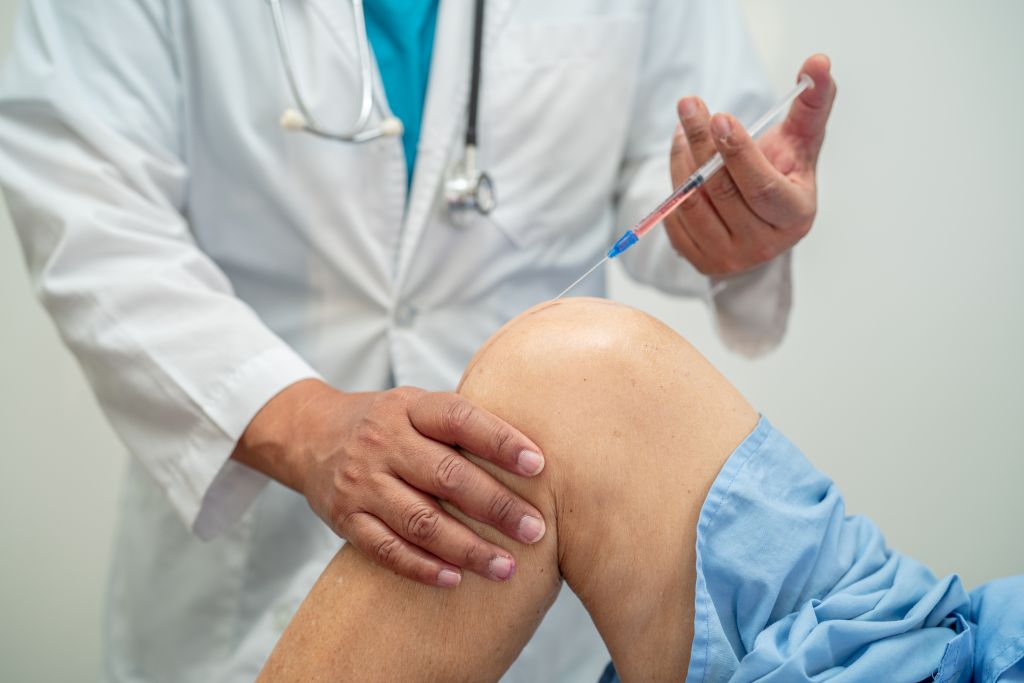
The procedure may be performed with ultrasound or fluoroscopy guidance depending on the structure being treated.
Bone marrow aspirate concentrate and adipose-derived orthobiologic procedures may be considered in selected cases involving joint, tendon, ligament, or soft-tissue pain.
These procedures involve collecting and preparing biologic material from the patient’s own body before delivering it to a targeted area.
Potential options may include:
Availability and candidacy depend on the diagnosis, medical history, affected structure, applicable regulatory requirements, and the provider’s clinical assessment.
These procedures should not be described as proven to regrow cartilage, cure arthritis, or repair every damaged tissue. Your provider can explain the intended treatment goal, current limitations, reasonable expectations, and available alternatives.
Treatment options may include:
Because pain near the spine or pelvis can come from discs, facet joints, the sacroiliac joint, ligaments, muscles, or irritated nerves, diagnostic injections may be used to help clarify which structure is contributing to the symptoms.
Orthobiologic treatment may then be discussed when the diagnosis, imaging, previous treatment response, and overall clinical picture support that approach.
Depending on the targeted structure, procedures may use:
The type of guidance used will depend on the anatomy, diagnosis, and planned treatment.

We may ask about:
Your provider may also evaluate range of motion, strength, stability, tenderness, and signs that a joint, tendon, ligament, or other soft tissue is involved.
From there, we can discuss whether PRP, another orthobiologic option, a conventional injection, rehabilitation, or a different treatment approach may be appropriate.
Our approach focuses on:

Your evaluation may include a physical exam, a review of your symptoms and history, and a discussion of whether additional imaging, records, or diagnostic steps are needed to better understand your condition and confidently recommend next steps.
We may ask about:
Not all headaches or facial pain is the same. Chronic migraine, nerve pain, TMJ pain, and cervical spine-related headaches may require different treatment strategies.
Our approach focuses on:
You do not have to keep guessing what is causing your pain. Schedule an evaluation to take the next step.