
Complex Medication Management

Expert Pain Medicine & Medical-Legal Evaluation

Create A Safer, More Effective Medication Plan For Chronic Pain

Chronic pain medications can become difficult to manage when symptoms change, side effects develop, several prescriptions are involved, or treatment is being coordinated across multiple providers. Some patients need help improving a current regimen, while others need a safer transition plan after surgery, trauma, long-term opioid therapy, or a change in care.
Our pain management team provides comprehensive medication reviews and individualized planning based on your diagnosis, current prescriptions, treatment history, functional goals, and overall health.

Medication Management Needs We Address

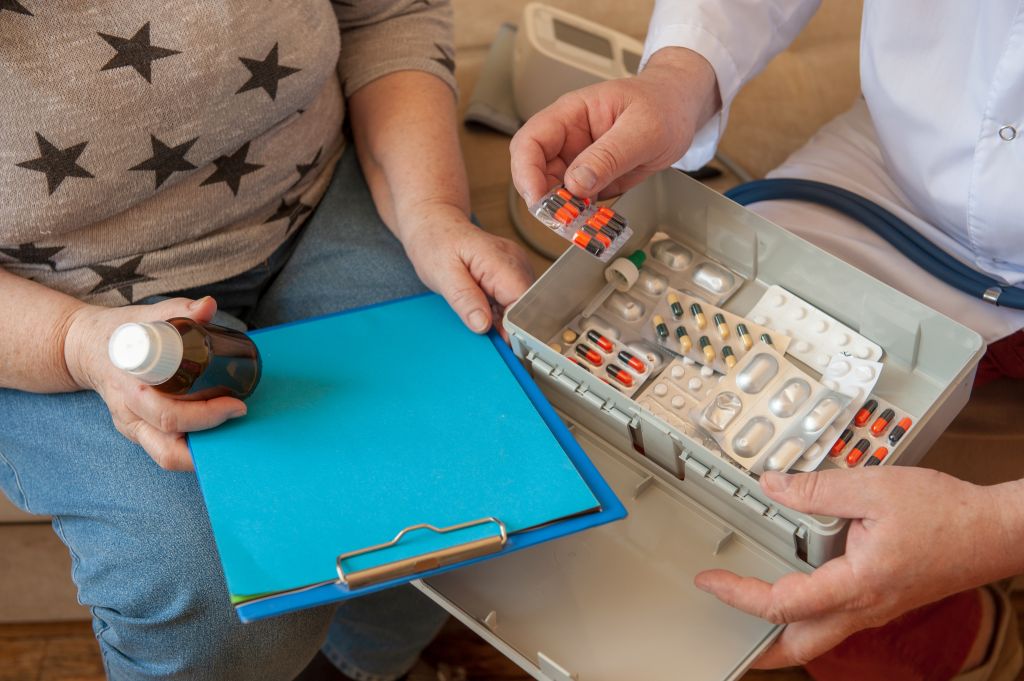
Pain medication management involves more than writing or renewing a prescription. The right plan should account for the source of pain, possible medication interactions, side effects, safety risks, prior treatment response, and whether procedures or other therapies are also part of your care.

We commonly help patients who need:
  • Chronic pain medication optimization
  • Non-opioid multimodal medication planning
  • Neuropathic pain medication management
  • Chronic opioid therapy review
  • Support with a high-risk opioid regimen
  • Acute-on-chronic pain planning
  • Medication reconciliation
  • Polypharmacy and interaction review
  • Migraine or headache medication optimization
  • Treatment for spasticity, dystonia, or severe muscle spasm
  • Medication planning for CRPS or refractory pain
  • Cancer-related pain management
  • Pre-procedure medication safety review
  • Ketamine or lidocaine infusion evaluation
  • Medication bridge or transition-of-care planning

Chronic Pain Medication Optimization

Chronic pain may involve more than one source, including irritated nerves, arthritis, muscle spasm, prior surgery, spinal conditions, or ongoing injury-related symptoms. A medication plan that worked earlier may become less effective or create new concerns over time.

Treatment may include:

  • Comprehensive medication review
  • Non-opioid multimodal medication planning
  • Risk-and-benefit review
  • Medication monitoring
  • Ongoing follow-up
A multimodal medication plan may use different types of medications to address different pain mechanisms rather than relying on one treatment alone. The goal is to improve symptom control and function while reducing avoidable side effects and medication-related risks.
Your provider may also consider whether injections, rehabilitation, neuromodulation, or another interventional treatment could complement the medication plan.

Neuropathic Pain Medication Management

Neuropathic pain develops when a nerve is irritated, compressed, injured, or functioning abnormally. It may occur with radiculopathy, peripheral neuropathy, complex regional pain syndrome, or post-surgical neuralgia.

Patients may describe neuropathic pain as:

  • Burning
  • Shooting
  • Electric-like
  • Tingling
  • Numb
  • Stabbing
  • Painfully sensitive to touch

Treatment options may include:

  • Neuropathic pain medication optimization
  • Topical medication strategies
  • Coordination with an interventional treatment plan
Medication selection depends on the pain pattern, diagnosis, prior treatment response, side effects, other health conditions, and current prescriptions.
When appropriate, medication management may be coordinated with epidural injections, peripheral nerve blocks, sympathetic blocks, nerve ablation, peripheral nerve stimulation, spinal cord stimulation, or other targeted treatments.

Chronic Opioid Therapy And High-Risk Regimen Review

Patients taking long-term opioid medication may need a structured review to determine whether the current regimen remains appropriate, effective, and safe.

Treatment may include:

  • Opioid therapy review
  • CURES or prescription drug monitoring program review
  • Urine drug testing when indicated
  • An opioid treatment agreement
  • Naloxone consideration
  • Tapering when appropriate
  • Medication optimization when appropriate
The evaluation considers how the medication affects pain, function, sleep, activity, and quality of life, as well as potential side effects and safety concerns.
The goal is not to make automatic changes without understanding the full clinical picture. Your provider will review the potential benefits and risks and discuss whether continuing, adjusting, tapering, or transitioning the regimen may be appropriate.

Acute-On-Chronic Pain After Trauma, Surgery, Or Work Injury

An accident, operation, or workplace injury can temporarily increase pain in a patient who already has a chronic pain condition. This can make medication planning more complex, especially when short-term treatment must be balanced with long-term safety.

Treatment may include:

  • A short-term medication strategy
  • Functional goal setting
  • Monitoring and follow-up
  • A transition plan to a non-opioid or lower-risk regimen when appropriate
  • Coordination with rehabilitation or procedural care

Functional goals may focus on improving sleep, walking, participation in therapy, return to work, or the ability to complete daily activities.

As the acute condition improves, the medication plan may be adjusted to reduce unnecessary long-term exposure and support a safer transition back to the patient’s baseline regimen.

Medication Side Effects, Polypharmacy, And Multiple Prescribers

Patients with chronic pain may receive medications from several specialists or take prescriptions for multiple medical conditions. This can increase the risk of duplication, interactions, sedation, confusion, or side effects.

Treatment may include:

  • Medication reconciliation
  • Drug interaction review
  • Side-effect assessment
  • A deprescribing strategy when appropriate
  • Communication with treating clinicians
Medication reconciliation involves reviewing what the patient is actually taking, including prescriptions, over-the-counter medications, topical treatments, and relevant supplements.
When changes are appropriate, the provider may coordinate with primary care, specialists, surgeons, or other prescribing clinicians to reduce conflicting recommendations and create a clearer plan.

Migraine And Headache Medication Management

Migraine and headache disorders may require both preventive and as-needed treatment. Some patients need help reducing headache frequency, while others need a more effective strategy for treating symptoms when an episode begins.

Treatment may include:

  • Preventive medication optimization
  • Abortive medication optimization
  • A Botox pathway for chronic migraine
  • Nerve block coordination when appropriate

The medication plan depends on headache frequency, severity, triggers, associated symptoms, current medications, and prior treatment response.

For patients with chronic migraine, Botox may be considered when indicated. Headache nerve blocks may also be coordinated when the pain pattern and diagnosis support a more targeted approach.

Spasticity, Dystonia, And Severe Muscle Spasm Management

Spasticity, dystonia, and severe muscle spasms can cause pain, stiffness, abnormal positioning, and reduced mobility. Symptoms may affect the neck, shoulders, back, or extremities and interfere with sleep, movement, work, or personal care.

Treatment may include:

  • Medication review
  • Medication optimization
  • Botox for dystonia or spasticity when indicated
  • Trigger point injection coordination
The treatment plan depends on whether symptoms are caused by focal muscle overactivity, a broader neurological condition, painful trigger points, or another source.
Botox may be used to target specific overactive muscles, while trigger point injections may be considered for painful, contracted muscle areas.

CRPS And Refractory Pain Medication Management

Spasticity, dystonia, and severe muscle spasms can cause pain, stiffness, abnormal positioning, and reduced mobility. Symptoms may affect the neck, shoulders, back, or extremities and interfere with sleep, movement, work, or personal care.

Treatment may include:

  • Multimodal medication management
  • Ketamine infusion evaluation
  • Lidocaine infusion evaluation
  • Sympathetic block coordination
  • Neuromodulation coordination
  • Physical or occupational therapy coordination when appropriate

Medication management may be combined with sympathetic nerve blocks, spinal cord stimulation, dorsal root ganglion stimulation, or other treatments based on the diagnosis and prior response to care.

Because CRPS can affect both pain and function, treatment planning may also involve coordinated rehabilitation and behavioral health support when needed.

Cancer-Related And Metastatic Bone Pain Management

Cancer-related pain may develop from the tumor itself, metastatic bone disease, vertebral compression fractures, nerve involvement, inflammation, or treatment-related effects.

Treatment may include:

  • Multimodal analgesic planning
  • Oncology coordination
  • Palliative care coordination
  • OsteoCool evaluation when appropriate
  • Kyphoplasty evaluation when appropriate
  • Targeted nerve or sympathetic blocks
Medication planning may involve several types of pain treatment depending on whether symptoms are inflammatory, neuropathic, visceral, or related to weakened bone.
When appropriate, procedural options may be coordinated with the patient’s oncology team to address a painful bone lesion, vertebral fracture, or specific nerve pathway.

Pre-Procedure Medication Safety

Certain medications may need to be reviewed before an injection, infusion, sedation, or implantable pain procedure. The goal is to reduce avoidable risks while preventing unsafe or unnecessary medication changes.

The pre-procedure review may include:

  • Anticoagulants and antiplatelet medications
  • Diabetes medications
  • Medications that affect infection risk
  • Sedation-relevant medications
  • Opioids and other central nervous system depressants
  • Allergies and prior medication reactions

Patients should not stop prescription medications unless they have been given clear instructions by the appropriate treating clinician.

Your provider may coordinate with the prescribing physician when a medication adjustment is necessary before a procedure.

Ketamine And Lidocaine Infusion Evaluation

Ketamine or lidocaine infusions may be evaluated for selected patients with CRPS, neuropathic pain, or other refractory pain conditions.

Evaluation may include:

  • Review of the diagnosis and prior treatment
  • Medication and medical history review
  • Safety screening
  • Discussion of potential benefits and limitations
  • Monitoring requirements
  • Coordination with other pain treatments
Infusion therapy is not appropriate for every patient. Candidacy depends on the pain condition, cardiovascular and neurological history, current medications, mental health considerations, and other safety factors.

Medication Bridge And Transition-Of-Care Planning

Patients may occasionally need short-term medication support while transitioning between providers, recovering from surgery, relocating, or establishing a longer-term treatment plan.

Treatment may include:

  • Bridge planning when clinically appropriate
  • Review of available medical records
  • Functional goal documentation
  • Safety monitoring
  • Referral coordination
  • A defined transition plan

A medication bridge is not guaranteed and depends on the clinical situation, available documentation, medication type, safety considerations, and the provider’s assessment.

When ongoing prescribing is not appropriate, the team may help coordinate referral to another clinician or service that better matches the patient’s long-term needs.

What To Expect At Your Visit

Your evaluation may include a detailed review of your pain condition, current medications, prior treatment, medical history, and functional goals. Bringing an accurate medication list and relevant records can help your provider develop a safer and more complete plan.

We may ask about:

  • Which medications you currently take
  • The dose and timing of each medication
  • Which treatments help and which do not
  • Side effects or medication concerns
  • Prior medication trials
  • Current prescribing clinicians
  • History of surgery, trauma, or interventional treatment
  • How pain affects sleep, mobility, work, and daily activities
  • Your treatment priorities and functional goals
  • Any upcoming procedures or planned medication changes

The provider may also review prescription monitoring information, laboratory results, prior records, and urine drug testing when indicated.

From there, we can discuss whether medication optimization, tapering, topical treatment, infusion evaluation, procedural care, or coordinated follow-up may be appropriate.

A More Individualized Approach To Pain Medication

Not all chronic pain should be managed with the same medication strategy. Neuropathic pain, migraine, cancer-related pain, muscle spasm, CRPS, and acute-on-chronic pain may each require a different approach.

Our medication management process focuses on:

  • Understanding the diagnosis and pain mechanism
  • Reviewing effectiveness, side effects, and safety
  • Using non-opioid multimodal options when appropriate
  • Carefully evaluating opioid therapy
  • Reducing medication duplication and interactions
  • Coordinating medications with procedures and rehabilitation
  • Establishing clear functional goals
  • Supporting safer transitions between treatment plans
  • Communicating with other treating clinicians
  • Helping patients understand the benefits and risks of their options
You do not have to manage a complicated pain medication regimen without a clear plan. A comprehensive review can help identify what is working, what may need to change, and how medications can fit into a broader treatment strategy.

Schedule A Complex Medication Management Consultation

If chronic pain medications, side effects, opioid therapy, neuropathic symptoms, or a transition in care is becoming difficult to manage, our team can review your treatment and discuss safer, more individualized options.

Patient Stories

What To Expect At Your Visit

Your evaluation may include a physical exam, a review of your symptoms and history, and a discussion of whether additional imaging, records, or diagnostic steps are needed to better understand your condition and confidently recommend next steps.

We may ask about:

  • Where your pain starts and where it travels
  • How often symptoms occur
  • What the pain feels like
  • Triggers such as chewing, neck movement, stress, light, or touch
  • Prior medications, injections, imaging, or specialist visits
  • How symptoms affect sleep, work, focus, and daily life
From there, your provider can discuss which treatment options may be appropriate for your specific diagnosis and goals.

A More Targeted Approach To Headache And Facial Pain

Not all headaches or facial pain is the same. Chronic migraine, nerve pain, TMJ pain, and cervical spine-related headaches may require different treatment strategies.

Our approach focuses on:

  • Identifying the likely source of pain
  • Reducing unnecessary trial-and-error treatment
  • Using targeted injections or procedures when appropriate
  • Coordinating medication management when needed
  • Helping patients understand their options clearly

You do not have to keep guessing what is causing your pain. Schedule an evaluation to take the next step.

Schedule A Headache, Migraine, Or Facial Pain Consultation

If headaches, migraines, jaw pain, or facial nerve pain are interfering with your life, our team can help evaluate your symptoms and discuss treatment options.

Request A Medical-Legal Consult

Request A Medical-Legal Consult