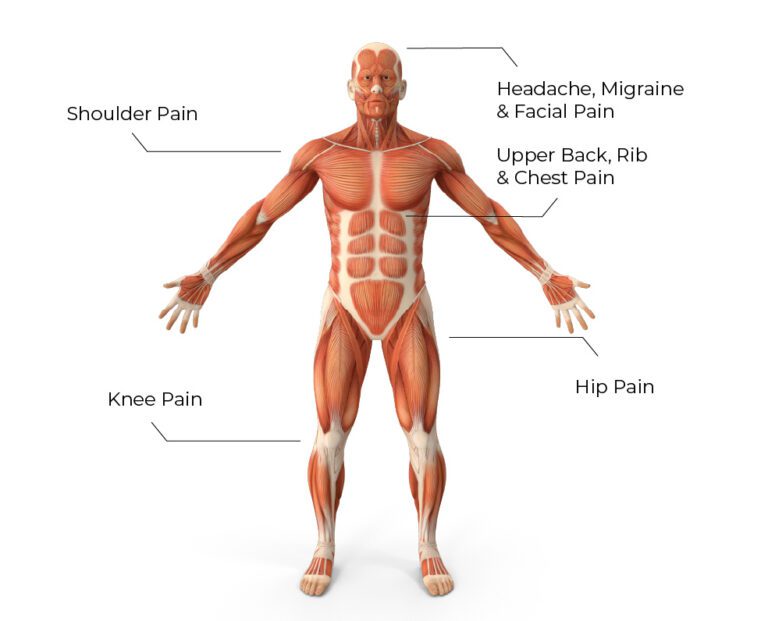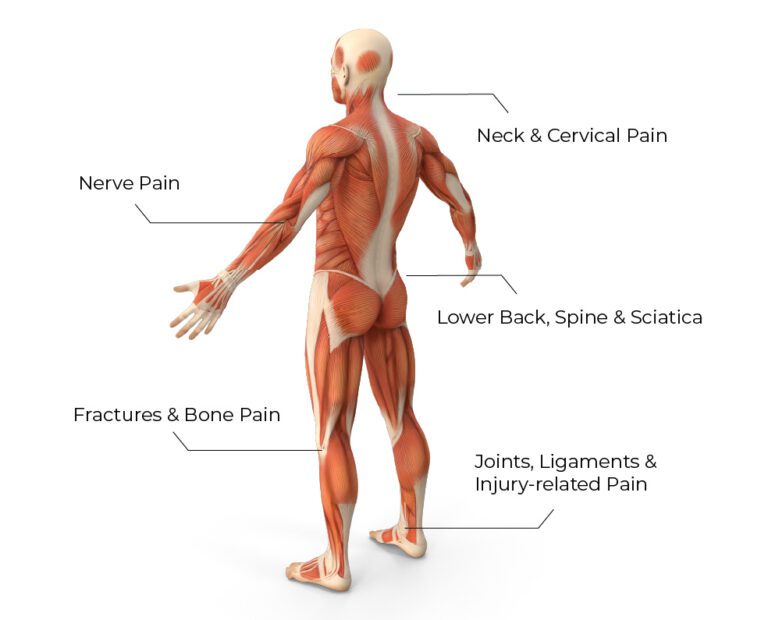
Acute and chronic pain can affect sleep, mobility, work, and independence. Our team evaluates conditions involving the spine, joints, nerves, muscles, internal organs, and areas affected by surgery or trauma.
Treatment begins by identifying the likely source of pain and may include targeted injections, nerve blocks, radiofrequency ablation, medication management, regenerative medicine, neuromodulation, rehabilitation coordination, or surgical referral when indicated.
Use the sections below to explore the conditions we treat and find the most appropriate care pathway for patients or referrals.
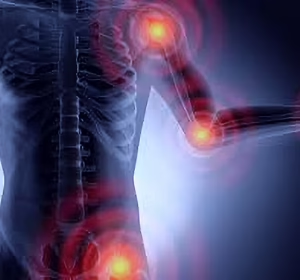
Click on the diagram below to learn more about the pain conditions we treat:
Not sure which treatment you need? Start with an evaluation. Our team will review your symptoms, history, and goals before discussing appropriate next steps.
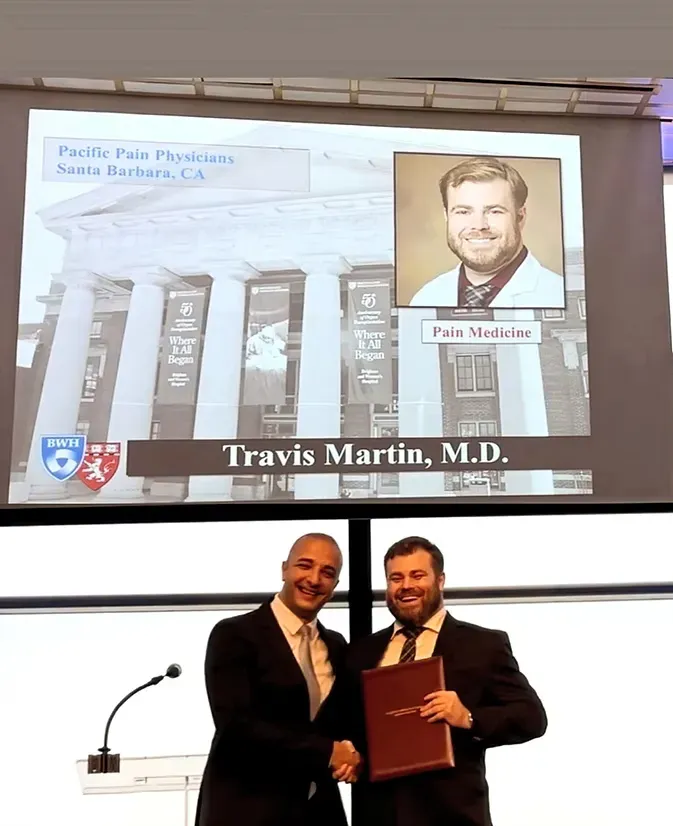
We evaluate pain involving the spine, joints, peripheral nerves, sympathetic nervous system, and musculoskeletal structures.
Care may include image-guided injections, radiofrequency ablation, regenerative medicine, infusion evaluation, and implantable pain therapies when appropriate.
Procedures and medications are selected based on the likely pain source, clinical findings, and prior response to care.
We work with referring providers and other treating clinicians to support continuity, safety, rehabilitation, and long-term planning.
Pain involving the head, neck, thoracic spine, ribs, chest wall, or shoulder may be related to irritated nerves, arthritic joints, muscle tension, injury, abnormal muscle contractions, or referred pain from the cervical or thoracic spine.
A focused evaluation can help distinguish migraine or facial nerve pain from cervical spine conditions, shoulder disorders, thoracic radiculopathy, and other sources of upper-body pain.

Recurring headaches, migraines, jaw pain, and facial nerve pain may come from several different sources, including chronic migraine activity, irritated cranial or peripheral nerves, the cervical spine, the temporomandibular joint, or surrounding muscles.
Treatment may involve Botox for chronic migraine, headache or facial nerve blocks, trigger point injections, cervical spine procedures, medication management, or neuromodulation evaluation in selected cases.
Explore the conditions and targeted treatments available for chronic migraine, occipital neuralgia, cervicogenic headache, trigeminal neuralgia, TMJ pain, and other facial pain disorders.
Neck pain may remain localized or travel into the shoulder, arm, or hand. Symptoms can result from cervical radiculopathy, facet joint arthritis, whiplash, myofascial pain, muscle spasm, or cervical dystonia.
Treatment may include cervical epidural steroid injections, medial branch blocks, radiofrequency ablation, trigger point injections, Botox, or medication management, depending on the suspected source of symptoms.
Learn how cervical nerve pain, facet joint pain, whiplash, muscle spasm, and cervical dystonia are evaluated and treated.
Thoracic pain may be felt in the middle back, beneath the shoulder blades, along the ribs, or around the chest wall. It may be caused by thoracic nerve irritation, facet arthritis, intercostal neuralgia, prior surgery, or costovertebral pain.
Treatment options may include thoracic epidural injections, medial branch blocks, radiofrequency ablation, intercostal nerve blocks, trigger point injections, or neuromodulation in selected cases.
Review treatment options for thoracic radiculopathy, intercostal neuralgia, rib pain, post-thoracotomy pain, and other chest wall conditions.
Shoulder pain can arise from arthritis, adhesive capsulitis, rotator cuff tendinopathy, bursitis, or irritation of the suprascapular nerve. Symptoms may include stiffness, weakness, pain with reaching, or difficulty sleeping on the affected side.
Treatment may involve image-guided joint or bursa injections, steroid injections, PRP, suprascapular nerve blocks, radiofrequency ablation, peripheral nerve stimulation, and rehabilitation coordination.
Explore treatment options for shoulder arthritis, frozen shoulder, rotator cuff pain, bursitis, chronic shoulder pain, and selected cases in which suprascapular nerve procedures may be appropriate.
Pain involving the lower back, pelvis, hips, or knees can affect walking, standing, sitting, climbing stairs, and general mobility. These symptoms may come from spinal nerves, discs, arthritic joints, the sacroiliac joint, muscles, bursae, tendons, or peripheral nerves.
Because pain from the lumbar spine, hip, and SI joint can overlap, identifying the correct pain generator is an important part of treatment planning.
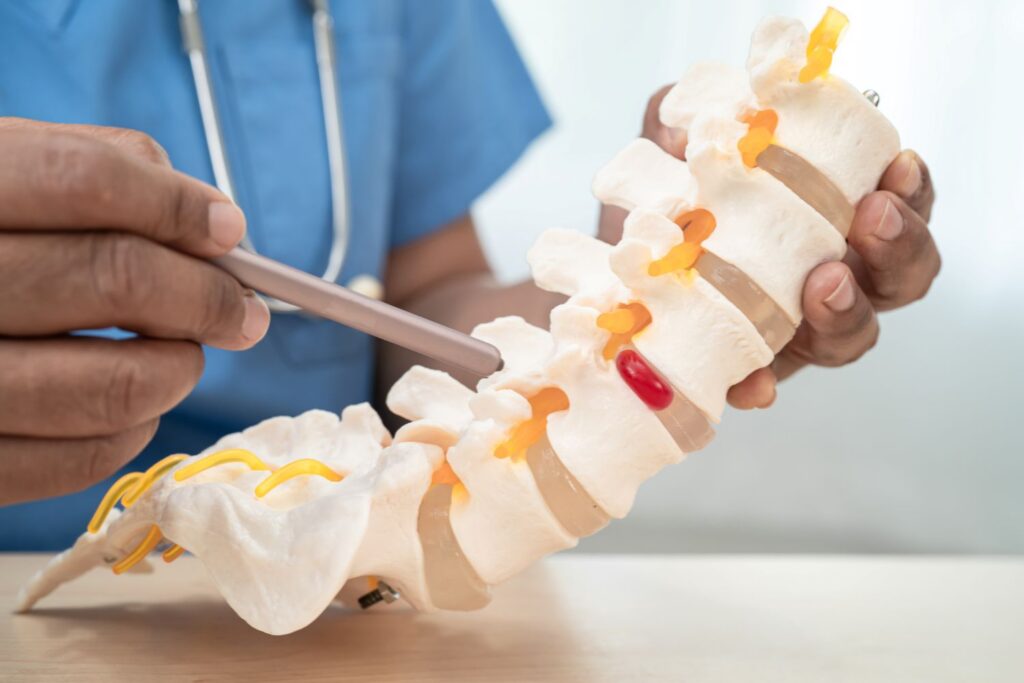
Low back pain may be caused by lumbar radiculopathy, sciatica, disc herniation, facet arthritis, spinal stenosis, vertebrogenic pain, muscle spasm, or persistent pain after spine surgery.
Treatment options may include lumbar epidural steroid injections, selective nerve root blocks, medial branch blocks, radiofrequency ablation, basivertebral nerve ablation for appropriately selected vertebrogenic pain, spinal cord stimulation evaluation, and medication or rehabilitation coordination.
Learn more about treatment for sciatica, pinched nerves, lumbar arthritis, spinal stenosis, disc-related pain, and persistent pain after surgery.
The sacroiliac joints connect the spine to the pelvis and can cause pain near the lower back, buttocks, hip, groin, or upper thigh. Symptoms may develop from sacroiliitis, trauma, mechanical stress, or irritation of surrounding ligaments and tendons.
Mechanical sacroiliac joint pain and dysfunction may be evaluated with targeted diagnostic and therapeutic approaches including SI joint injections, lateral branch blocks, radiofrequency ablation, and SI joint fusion evaluation in selected cases. Suspected inflammatory sacroiliitis requires medical or rheumatologic evaluation, while suspected infection requires urgent evaluation.
Review the diagnostic and treatment pathways for sacroiliac joint pain, post-traumatic SI pain, and pelvic girdle soft-tissue conditions.
Hip pain may originate inside the joint, along the outside of the hip, or within the deep gluteal region. Common causes include hip arthritis, greater trochanteric pain syndrome, bursitis, and piriformis-related pain.
Treatment options may include fluoroscopy- or ultrasound-guided hip injections, greater trochanteric bursa injections, piriformis injections, PRP, medication management, and rehabilitation coordination.
Explore treatment options for hip arthritis, outer-hip pain, bursitis, piriformis syndrome, and deep gluteal pain.
Knee pain may result from arthritis, chronic joint degeneration, irritation of the genicular nerves, or persistent symptoms after knee replacement.
Treatment may include knee steroid injections, PRP, genicular nerve blocks, genicular radiofrequency ablation, peripheral nerve stimulation, or spinal cord and DRG stimulation evaluation in selected cases.
Learn how knee arthritis, chronic knee pain, persistent pain after knee replacement, and selected knee pain appropriate for genicular nerve procedures may be evaluated and treated.
Pain affecting bones, joints, tendons, ligaments, and peripheral nerves may develop gradually or follow an injury, fracture, illness, surgery, or repetitive activity. Some conditions are primarily mechanical, while others involve nerve damage, abnormal pain signaling, or structural weakening.
The right treatment pathway depends on the affected tissue, symptom pattern, imaging findings, and response to previous care.
Vertebral compression fractures may develop because of osteoporosis, trauma, metastatic disease, or another condition that weakens the spine. Patients may experience sudden or progressive back pain, reduced mobility, or pain that worsens with standing and movement.
Treatment may include kyphoplasty for appropriate T5-and-below fractures, bracing coordination, biopsy when malignancy or myeloma is a concern, OsteoCool tumor ablation, stabilization evaluation, and coordinated cancer-pain management.
Review treatment options for osteoporotic compression fractures, metastatic spine pain, vertebral instability, and cancer-related bone pain.
Musculoskeletal injuries may involve tendons, ligaments, bursae, the plantar fascia, or small joints in the ankle, foot, hand, wrist, or jaw. Symptoms may develop after a specific injury or gradually through overuse and repetitive strain.
Treatment may include ultrasound- or fluoroscopy-guided injections, steroid injections, PRP, other orthobiologic options, and rehabilitation coordination.
Explore treatment for tendinitis, ligament injuries, plantar fasciitis, bursitis, small joint pain, and sports-related injuries.
Nerve pain may feel burning, shooting, electric-like, numb, tingling, or painfully sensitive. It may be caused by diabetes, peripheral neuropathy, focal nerve irritation, shingles, surgery, injury, or complex regional pain syndrome.
Treatment may include medication management, diagnosis-specific nerve blocks, sympathetic blocks, topical strategies, peripheral nerve stimulation, or neuromodulation for defined indications. Radiofrequency treatment is reserved for appropriately confirmed focal sensory or articular nerve targets rather than generalized neuropathy.
Learn more about treatment for diabetic neuropathy, focal neuralgia, cluneal nerve pain, postherpetic neuralgia, and CRPS.
Some pain conditions do not fit neatly into a single joint or spinal region. Chronic abdominal pain, pelvic pain, pain after surgery, and trauma-related symptoms may involve internal organs, sympathetic nerve pathways, peripheral nerves, scar tissue, muscles, or several structures at once.
These conditions often benefit from coordinated care and a treatment plan that addresses both the pain source and its effect on function.
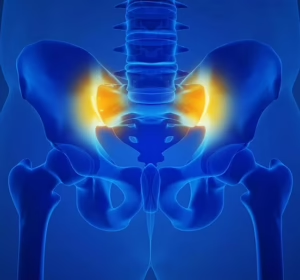
Chronic abdominal or pelvic pain may arise from internal organs, peripheral nerves, or the sympathetic nervous system. Some patients also experience sympathetically mediated pain or Long COVID-related pain and dysautonomia-type symptoms.
Treatment may include celiac plexus blocks, superior or inferior hypogastric blocks, stellate ganglion blocks, lumbar sympathetic blocks, medication management, and coordinated specialist care.
Review treatment options for chronic visceral pain, pelvic pain, sympathetic pain conditions, and selected Long COVID-related symptoms.
Persistent pain may continue after surgery, an auto accident, a workplace injury, or another traumatic event. Symptoms may come from scar tissue, a neuroma, peripheral nerve injury, joint or muscle damage, or abnormal pain signaling.
Treatment may include diagnostic injections, peripheral nerve blocks, targeted radiofrequency ablation, medication management, peripheral nerve stimulation, spinal cord stimulation evaluation, and rehabilitation coordination.
Learn more about chronic post-surgical pain, scar and neuroma pain, auto accident injuries, workplace injuries, and focal post-traumatic nerve pain.
All reviews
 HealthgradesPosted on Google
 Soheir Wasef1 days ago
Trustindex verifies that the original source of the review is Google.
Dr. Travis Martin was an excellent listener and took the time to carefully understand my concerns. He explained everything clearly and in great detail, making sure I understood the information and felt comfortable asking questions. I truly appreciated his patience, professionalism, and the time he devoted to me. I highly recommend him to anyone looking for a caring and attentive doctor.Posted on Google Jorge Quintanilla2 days agoPosted on Google
 Markus Smith9 days agoExcellent care at Prestige Pain & Trauma Institute. Dr. Martin is knowledgeable, patient, and genuinely cares about his patients. The staff is professional and supportive. I’ve experienced real relief from my chronic pain.Posted on Google
 Christopher Consolo10 days agoPosted on Google
 Nancy Ruano13 days agoThe staff is very friendly and Dr Travis Martin was very informative and friendly as well. Office was very clean. Looking forward to treatment. Thank you!Posted on Google
 Yeab Tsegaye26 days agoOutstanding experience at Prestige Pain & Trauma Institute. Dr. Martin is skilled, attentive, and the staff is friendly. The procedures helped reduce my pain significantly. Best pain management clinic I’ve been to!Posted on Google
 Alex Kingston26 days agoDr. Martin at Prestige Pain is excellent. He took the time to explain everything clearly and provided effective treatment for my chronic back pain. Professional, knowledgeable, and truly cares about his patients.Posted on Google
 Jesus Castillo41 days agoI had a good experience, the Doctor was very knowledgeable and explained everything very well.Posted on Google
 Best ed44 days agoThe nurse and the doctor are very nice, they go through details and listen carefully to me, and waited for my translation to and from my mom to them. A very good experience with Dr Travis and his staffPosted on Google
 _CaliCubPedro _49 days agoGreet recommendation for a brighter future and a deserved recovery for me thank youPosted on Healthgrades
 Healthgrades User157 days ago
Trustindex verifies that the original source of the review is Healthgrades.
Kind and peace instilling treatment The demeanor of the doctor and staff was very professional while still being very kind and creating a calming atmosphere.Posted on Healthgrades Healthgrades User171 days agoElizabeth Mercier Dr. Travis was great. He told me what was happening and after pain meds were in, I should feel any pain. And if I did let him know and he would give me more pain med. All I felt after numbing injection was presure and in let me know I would feel that, but it was normal. It's a quick procedure and so far so good. The staff were very professional and helpful. Great team! I'm looking forward to feeling better for a bit.Posted on Healthgrades
 Healthgrades User185 days agoHighly professional. Attentive with a good bedside manner. Patient felt informed about what to expect.Posted on HealthgradesHealthgrades User188 days agoVery knowledgeable. I was made to feel comfortable. My questions were answeredPosted on Healthgrades
 Healthgrades User205 days agoHis patient to doctor communications is excellent He's easy to talk to understanding of your needs and is there to assist in help in any way he canPosted on HealthgradesHealthgrades User206 days agoThe greatest Dr. Travis Martin Made me feel safe and comfortable. He has so much patience that that’s what made me feel safe. I was really scared but not with him. Thank you so he’s the best.Posted on Healthgrades
 Healthgrades User210 days agoPatient Explaining what was going to happen and the results, attention to patient’s follow upPosted on HealthgradesHealthgrades User214 days agoAnswered all questions, very professionalPosted on HealthgradesHealthgrades User215 days agoDr. Explain explained every detail on my procedure Very nice and not in a hurry. Explain ed every detail.Posted on HealthgradesHealthgrades User215 days agoAwesome and so kind Everyone is so kind. My procedure was quick and I felt less pain then any other Dr…He explained everything even my question. Very bed side manner which I fully appreciate with all my Heart. Tysm Dr. Martin

Patients do not always know whether their symptoms are coming from a joint, nerve, muscle, disc, internal organ, or previous injury. Referring providers may also need support when a patient requires interventional evaluation beyond medication, rehabilitation, or initial diagnostic care.
A pain-focused consultation may include:
The objective is to create a clearer care pathway based on the patient’s diagnosis and functional needs.
Acute and chronic pain conditions can look similar even when they require very different treatment strategies. A careful evaluation can help clarify whether symptoms are coming from the spine, a joint, a peripheral nerve, damaged soft tissue, an internal organ, or a previous surgery or injury.
Patients can use the condition guides above to learn more about their symptoms and available treatment options. Referring providers may send patients for targeted evaluation, diagnostic procedures, medication optimization, or advanced interventional pain care.

If pain is interfering with mobility, sleep, work, recovery, or daily life, schedule an evaluation to discuss the next appropriate step. Referring providers may also contact our team to coordinate records, imaging, and the reason for referral.