

Pain treatment should address the source of symptoms, whether they involve nerves, joints, muscles, fractures, or prior surgery.
Our team offers interventional, medication-based, regenerative, and implantable treatment options, including image-guided procedures, radiofrequency ablation, orthobiologics, neuromodulation, and coordinated rehabilitation.
Use this page to explore available treatments and identify the most appropriate care pathway for patients or referrals.
Medication can be an important part of pain treatment, but complex or long-term regimens require more than routine prescription renewal. Medications should be reviewed for effectiveness, side effects, interactions, safety risks, and how well they support the patient’s functional goals.
Our complex medication management approach may be appropriate for patients with chronic pain, neuropathy, migraines, CRPS, post-surgical pain, cancer-related pain, muscle spasticity, or acute pain layered on top of a long-term condition.
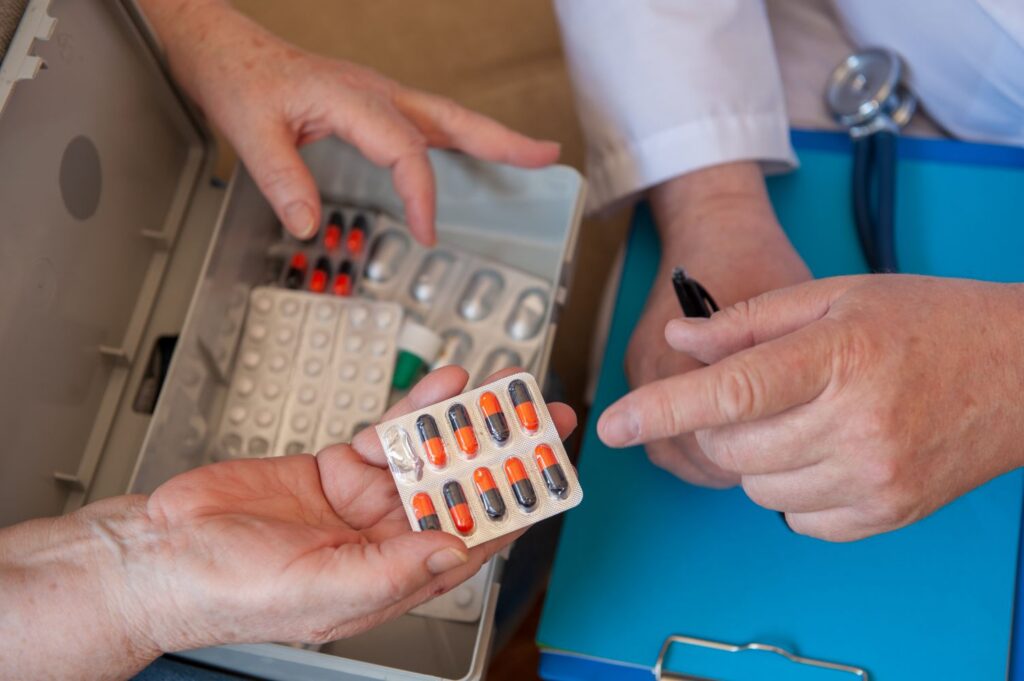
Pain may involve inflammatory, neuropathic, muscular, mechanical, or visceral components. A multimodal approach may use different medication types to address more than one pain mechanism while reducing unnecessary reliance on a single drug.
The medication plan may be adjusted based on:
Neuropathic pain may occur with radiculopathy, peripheral neuropathy, CRPS, diabetic neuropathy, or post-surgical neuralgia. Symptoms may include burning, shooting, electric-like pain, tingling, numbness, or painful sensitivity.
Medication management may be coordinated with:
Patients taking long-term opioid medication may require a structured review of the risks, benefits, functional improvement, side effects, and overall safety of the current regimen.
Care may include:
The goal is not to make automatic changes without understanding the patient’s full clinical history. Recommendations are based on safety, function, diagnosis, and the potential benefits and limitations of continued therapy.
Patients who take medications from multiple prescribers may be at greater risk of duplication, sedation, interactions, or conflicting instructions.
Medication management may involve communication with:
Learn more about medication optimization, opioid review, infusion evaluation, and safer treatment planning.
Regenerative medicine and orthobiologic treatments may be considered for selected patients with joint arthritis, tendon injuries, ligament damage, soft-tissue pain, or certain spine and sacroiliac joint conditions.
These treatments are intended to provide a targeted option based on the affected structure and diagnosis. They are not appropriate for every condition and should not be presented as guaranteed to regrow cartilage, cure arthritis, or replace surgery in every case.
Treatment options may include:
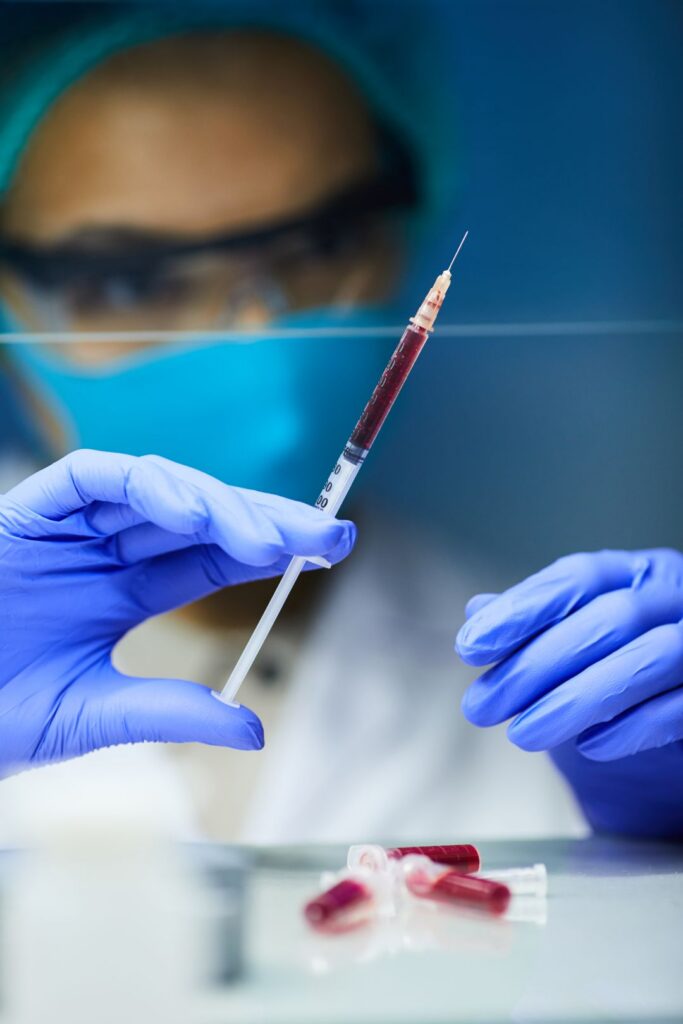
Platelet-rich plasma, commonly called PRP, is prepared from a sample of the patient’s own blood. The platelets are concentrated and then delivered to the targeted area using image guidance when appropriate.
PRP may be evaluated for selected cases involving:
Candidacy depends on the diagnosis, degree of tissue damage, symptom duration, prior treatment, imaging findings, medications, and overall health.
Bone marrow aspirate concentrate and adipose-derived orthobiologic procedures may be discussed in selected cases when clinically appropriate and compliant with applicable requirements.
These procedures involve collecting and preparing biologic material from the patient’s own body before placing it into a targeted joint, tendon, ligament, or other structure.
Recommendations depend on:
Ultrasound or fluoroscopy may be used to improve accuracy when treating joints, tendons, ligaments, spinal structures, or the sacroiliac joint.
Image guidance allows the provider to visualize the treatment target and nearby anatomy during the procedure. The method selected depends on the structure involved and the planned therapy.
Regenerative treatment may be coordinated with rehabilitation to support mobility, strength, stability, and return to activity. In some cases, a conventional injection, nerve treatment, or surgical consultation may be more appropriate.
Explore PRP and other orthobiologic options for joint, tendon, ligament, and selected degenerative pain conditions.
Neuromodulation uses targeted electrical stimulation to influence pain signaling or restore function in selected muscles. It may be considered for patients with persistent neuropathic pain, CRPS, focal peripheral nerve pain, chronic pain after spine surgery, or mechanical low back pain associated with multifidus dysfunction.
Treatment options may include:
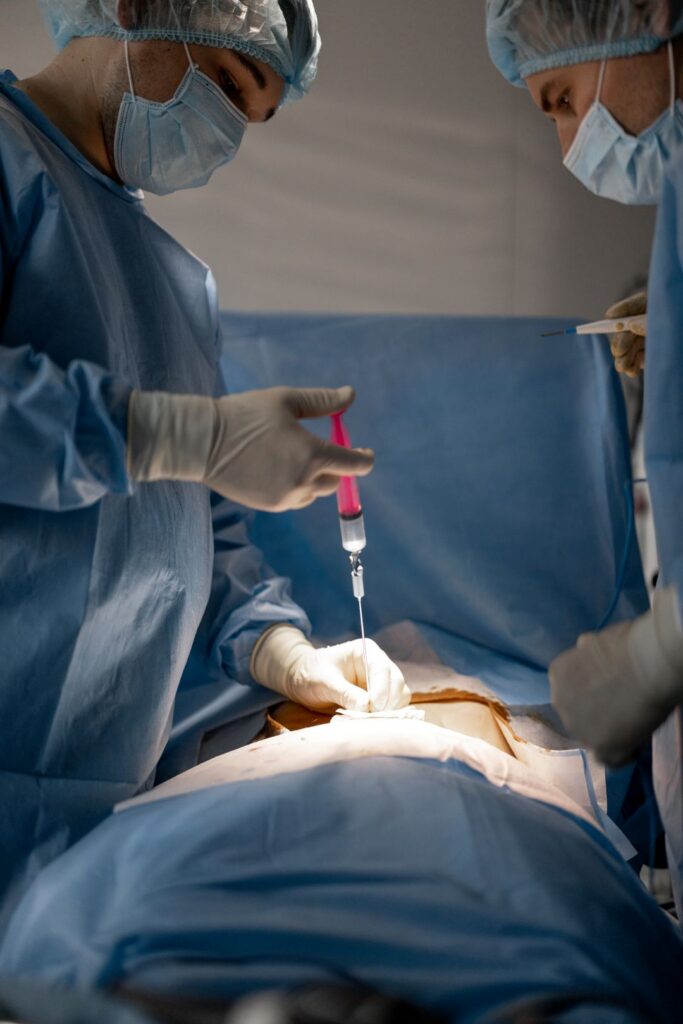
Spinal cord stimulation may be evaluated for chronic neuropathic pain involving the back, neck, arms, or legs. It may also be considered for persistent pain after spine surgery and other conditions that have not responded adequately to more conservative treatment.
The treatment pathway generally begins with a temporary trial. This allows the patient and provider to evaluate whether stimulation meaningfully improves pain, function, sleep, or activity tolerance before a permanent system is implanted.
Treatment may include:
Peripheral nerve stimulation targets a specific nerve associated with a localized area of pain.
Common targets may include:
Nalu or another appropriate stimulation system may be selected based on the nerve involved, anatomy, prior treatment response, and the patient’s clinical needs.
Dorsal root ganglion stimulation may be considered for CRPS or focal neuropathic pain involving a specific limb or region.
Because DRG stimulation is highly targeted, it may be useful when pain is concentrated in a defined area. Availability and candidacy depend on the diagnosis, anatomy, previous treatment, and clinical assessment.
ReActiv8 may be evaluated for selected patients with chronic mechanical low back pain associated with multifidus dysfunction.
Unlike stimulation primarily intended to interrupt pain signals, restorative neurostimulation is designed to activate nerves that control the multifidus muscles and support lumbar spine stability.
Patients with an existing spinal cord or peripheral nerve stimulator may require further evaluation when pain relief decreases or the system develops a technical concern.
Care may include:
Learn more about spinal cord stimulation, peripheral nerve stimulation, DRG therapy, ReActiv8, and implant revision.
Care may include medication management, image-guided procedures, orthobiologics, radiofrequency ablation, infusions, and implantable therapies.
Patients may be evaluated for neuromodulation, tumor ablation, vertebral stabilization, restorative stimulation, and other advanced procedures when appropriate.
Treatments are selected according to the likely pain source, clinical findings, imaging, and response to prior care.
We work with referring providers, surgeons, rehabilitation teams, oncology, primary care, and other clinicians to support a clearer care pathway.
The following treatments may be used independently or as part of a broader treatment plan. The recommended approach depends on the diagnosis, pain source, imaging findings, prior care, and individual treatment goals.
Targeted injections used to reduce inflammation around irritated spinal nerves in the cervical, thoracic, or lumbar spine.
Medication is delivered into the epidural space through an approach between the spinal bones to address nerve-related pain.
A diagnostic and therapeutic injection targeting a specific spinal nerve suspected of causing radiating pain.
A diagnostic injection targeting the small nerves that carry pain signals from the facet joints.
Targets medial branch nerves associated with painful cervical facet joints.
Targets medial branch nerves associated with lumbar facet joint pain.
Targets nerves that carry pain signals from the sacroiliac joint and may help guide an SI radiofrequency ablation pathway.
May be considered in selected patients with persistent confirmed SI joint pain that has not improved with conservative or injection-based care.
Targeted Botox injections may help reduce headache frequency in appropriately diagnosed chronic migraine patients.
Targets the greater or lesser occipital nerves in patients with occipital neuralgia or selected headache disorders.
A targeted block that may be considered for selected cluster-type headache or autonomic facial pain patterns.
Ultrasound- or fluoroscopy-guided treatment for shoulder arthritis, adhesive capsulitis, or other joint-related pain.
Targets the suprascapular nerve in patients with chronic or nerve-related shoulder pain.
Targets inflammation and pain along the outer hip associated with bursitis or greater trochanteric pain syndrome.
Delivers anti-inflammatory medication into the knee joint for selected patients with arthritis or chronic knee pain.
Uses radiofrequency energy to reduce pain signals from genicular nerves after an appropriate diagnostic response.
An image-guided injection used to treat pain and inflammation involving a bursa.
Image-guided treatment directed toward an injured or painful ligament.
Targets nerves that run between the ribs and may be used for intercostal neuralgia, rib pain, or chest wall pain.
Image-guided treatment directed toward an injured or painful ligament.
Image-guided treatment directed toward an injured or painful ligament.
Targets cluneal nerves that may contribute to pain near the lower back, upper buttock, or pelvic region.
A targeted injection near a suspected pain-generating nerve to provide relief and help clarify the diagnosis.
Targets part of the sympathetic nervous system when abnormal sympathetic activity may be contributing to pain.
Targets sympathetic nerves serving the lower body and may be used for selected cases of CRPS or sympathetically mediated pain.
Targets sympathetic nerve pathways associated with selected lower abdominal or pelvic pain conditions.
A minimally invasive procedure that stabilizes selected vertebral compression fractures at T5 and below.
Coordination of a thoracolumbosacral brace to support the spine while an appropriate compression fracture heals.
The Intracept procedure targets the basivertebral nerve in selected patients with vertebrogenic low back pain and Modic changes.
May be considered for selected cases of CRPS or refractory neuropathic pain following medical and safety screening.
Topical therapies may be used for localized neuropathic pain, postherpetic neuralgia, or focal sensitivity.
Referral may be recommended when spinal instability, severe stenosis, neurological changes, fracture, or another condition requires surgical evaluation.
An epidural injection placed near a specific spinal nerve root, often used for radiculopathy, sciatica, or radiating limb pain.
An epidural injection performed through the lower portion of the spinal canal, sometimes used for lumbar or post-surgical symptoms.
An image-guided injection used to address pain arising from arthritic or irritated spinal facet joints.
Uses controlled radiofrequency energy to reduce pain signals from selected nerves after an appropriate diagnostic response.
Targets nerves carrying pain signals from painful thoracic facet joints.
An image-guided injection used to evaluate and treat pain arising from the sacroiliac joint.
Reduces pain signals from selected nerves supplying the sacroiliac joint.
Targets painful, contracted muscle areas that contribute to myofascial pain, stiffness, or spasm.
Injected into selected overactive muscles to help reduce involuntary contractions, stiffness, and pain.
Targeted injections used for selected cases of trigeminal neuralgia or focal facial neuropathic pain.
An image-guided injection used for inflammation or pain involving the temporomandibular joint.
Targets inflammation in the shoulder bursa or subacromial space associated with bursitis or rotator cuff-related pain.
An image-guided injection used to diagnose and treat pain arising from hip arthritis or joint inflammation.
Targets the piriformis muscle and surrounding tissues when deep gluteal pain or sciatic nerve irritation is suspected.
A diagnostic and therapeutic block targeting nerves that carry pain signals from the knee.
Image-guided treatment for arthritis or pain involving the wrist, hand, MCP joints, ankle, foot, or TMJ.
Targets a painful tendon in patients with tendinitis, tendinosis, overuse injury, or sports-related pain.
Ultrasound-guided treatment for plantar fasciitis and persistent heel or arch pain.
May be considered in selected cases when diagnostic treatment confirms an intercostal nerve pain source.
May be considered for persistent cluneal neuralgia after a successful diagnostic block.
Targets a painful neuroma or focal area of post-traumatic nerve pain.
A sympathetic block performed in the neck for selected upper-body pain conditions or certain dysautonomia-type symptoms.
Targets a group of nerves carrying pain signals from parts of the upper abdomen.
May be considered for selected chronic pelvic pain patterns involving lower pelvic structures.
A tissue sample may be obtained during kyphoplasty when malignancy or myeloma is a concern.
Uses targeted radiofrequency energy to treat selected painful metastatic bone lesions.
A minimally invasive procedure that may be considered for selected patients with lumbar spinal stenosis and neurogenic claudication.
May be evaluated for certain refractory neuropathic pain conditions after appropriate screening.
Treatment planning with physical or occupational therapy to improve strength, movement, stability, and function.
Helps align medication and procedural pain treatment with the broader care plan for cancer-related pain.
Referral or coordination may be used when chronic pain also affects sleep, coping, mood, or recovery from trauma.
Not every treatment is appropriate for every diagnosis. The same symptom, such as leg pain or shoulder pain, may arise from several different structures and require a different approach.
Your evaluation may include:
From there, the provider can recommend a treatment plan based on the likely pain source and the patient’s individual needs.

If pain is affecting sleep, mobility, work, recovery, or daily life, schedule an evaluation to discuss which treatment options may be appropriate. Referring providers may also contact our team to coordinate records, imaging, and the reason for referral.