
Post-Surgical & Post-Traumatic Pain Treatment

Expert Pain Medicine & Medical-Legal Evaluation

Post-Surgical And Post-Traumatic Pain Conditions We Treat

Persistent pain after surgery or trauma can come from irritated peripheral nerves, scar tissue, neuromas, injured joints, muscles, or other structures. Because these symptoms can have more than one cause, the right treatment begins with a structured evaluation.

We commonly help patients experiencing:

Pain after an auto accident

Work-related injury pain

Persistent pain after physical trauma

Scar pain

Neuroma pain

Focal post-traumatic nerve pain

Burning or electric-like pain near a surgical site

Pain that has not improved with prior treatment

Trauma-related pain that affects sleep or mood

Ongoing pain that interferes with rehabilitation

Chronic pain requiring coordinated care

Chronic Post-Surgical Pain Treatment

Chronic post-surgical pain may continue after the expected healing period following an operation. Symptoms can develop near the surgical area or along a nerve affected by the procedure.

Patients may experience:

  • Burning or shooting pain
  • Aching near the surgical site
  • Numbness or tingling
  • Increased sensitivity to touch
  • Pain around an incision or scar
  • Symptoms that worsen with movement
  • Persistent discomfort despite healing

Treatment options may include:

  • Peripheral nerve blocks
  • Targeted radiofrequency ablation in selected cases
  • Peripheral nerve stimulation
  • Spinal cord stimulation evaluation
  • Medication management
A peripheral nerve block may help determine whether a specific nerve is contributing to the pain while also providing targeted relief.
When the pain follows a clearly identified nerve pathway, radiofrequency ablation or peripheral nerve stimulation may be considered in selected cases. Spinal cord stimulation may also be evaluated when pain remains persistent despite other treatments.

Auto Accident, Work Injury, And Post-Traumatic Pain Treatment

Pain after an auto accident, workplace injury, fall, or other traumatic event may involve nerves, muscles, joints, ligaments, or several structures at the same time. Some symptoms begin immediately, while others develop over the following days or weeks. Patients may experience localized pain, stiffness, reduced movement, radiating symptoms, muscle spasms, or difficulty returning to normal activities.

Treatment may include:

  • Structured pain evaluation
  • Diagnostic injections
  • An interventional pain treatment plan
  • Medication management
  • Rehabilitation coordination

Diagnostic injections may help identify which joint, nerve, or other structure is contributing to persistent symptoms. From there, an interventional treatment plan can be tailored to the patient’s injury pattern and response to prior care.

Rehabilitation may also be coordinated to support mobility, strength, function, and a safer return to work or daily activity.
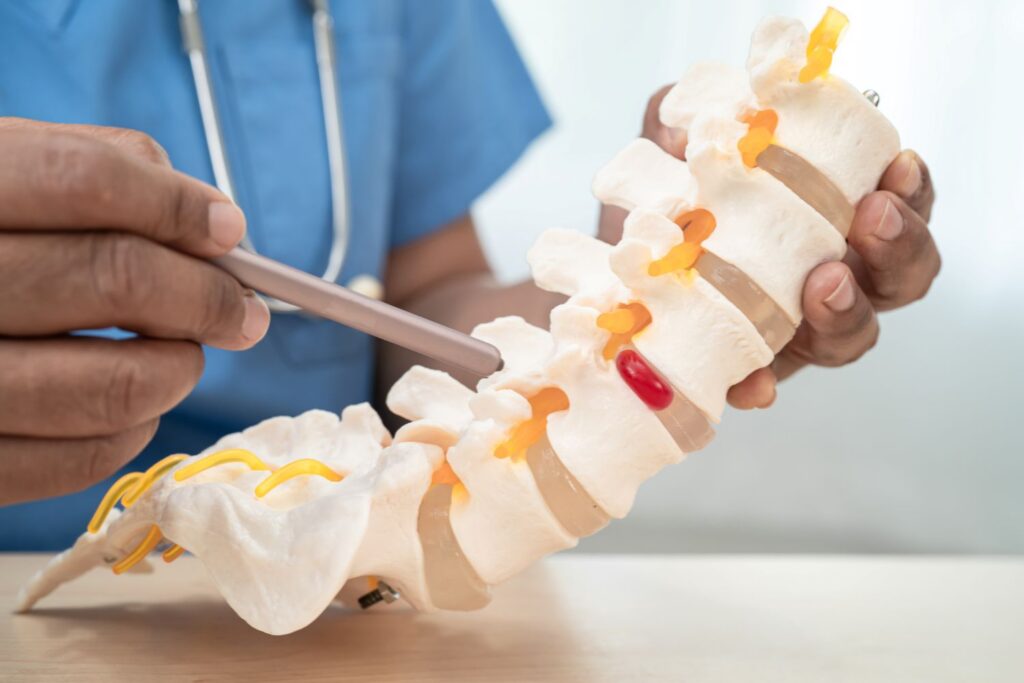
Scar Pain, Neuroma Pain, And Focal Post-Traumatic Nerve Pain Treatment

Scar tissue and nerve injury can sometimes lead to localized pain after surgery or trauma. A neuroma may form when an injured nerve heals abnormally and develops a painful bundle of nerve tissue.

Patients may experience:

  • Sharp or stabbing pain
  • Burning or electric-like sensations
  • Tenderness around a scar
  • Pain triggered by light touch or clothing
  • Numbness or tingling
  • A sensitive lump or focal painful area
  • Symptoms that follow a specific nerve pathway

Treatment options may include:

  • Targeted nerve blocks
  • Neuroma injections
  • Peripheral nerve injections
  • Peripheral nerve stimulation in selected cases

A targeted nerve block may help determine whether a specific peripheral nerve or neuroma is contributing to the pain. When symptoms remain persistent, peripheral nerve stimulation may be evaluated in selected cases.

Treatment depends on the location of the pain, the suspected nerve involved, prior procedures, and the response to diagnostic treatment.

Pain With Trauma-Related Sleep Or Mood Symptoms

Persistent pain after surgery or trauma can affect more than physical comfort. Ongoing symptoms may disrupt sleep, reduce concentration, contribute to stress, or affect mood and emotional well-being.

Pain treatment may include:

  • Pain-focused medication management
  • Interventional treatment when appropriate
  • Coordination or referral for behavioral health care when needed

The goal is not to assume that pain is psychological. Instead, treatment recognizes that chronic pain, sleep disruption, stress, and mood symptoms can influence one another.

A coordinated approach may help address the physical source of pain while connecting patients with appropriate behavioral health support when needed.

Peripheral Nerve Blocks And Targeted Nerve Treatment

Peripheral nerve blocks are targeted injections placed near a suspected pain-generating nerve. They may be used to provide temporary relief and help determine whether that nerve is contributing to the patient’s symptoms.

Depending on the diagnosis and response to treatment, additional options may include

The specific nerve and procedure selected will depend on the location of the pain, prior surgery or injury, physical examination findings, and diagnostic response.

Peripheral Nerve And Spinal Cord Stimulation Evaluation

Neuromodulation may be considered for selected patients with persistent post-surgical or post-traumatic pain that has not improved adequately with more conservative treatment.

Peripheral nerve stimulation targets a specific nerve associated with the pain. It may be considered for focal pain, scar-related nerve pain, neuroma pain, or other localized neuropathic symptoms.

Spinal cord stimulation may be evaluated when pain is broader, more persistent, or not limited to a single peripheral nerve.

These treatments are not appropriate for every patient. Evaluation typically includes a review of the diagnosis, prior procedures, medication history, functional limitations, and treatment goals.

Patient Stories

What To Expect At Your Visit

Your evaluation may include a physical exam, a review of your symptoms and medical history, and a discussion of whether prior records, imaging, surgical reports, or additional diagnostic steps are needed to better understand your condition and recommend appropriate next steps.

We may ask about:

  • When your pain began
  • Whether symptoms started after surgery, an accident, or another injury
  • Where the pain begins and whether it travels
  • Whether symptoms are aching, burning, shooting, numb, or sensitive
  • Whether pain is located near a scar or incision
  • Which movements, positions, or forms of touch make symptoms worse
  • Prior medications, injections, rehabilitation, or procedures
  • Whether diagnostic blocks have provided temporary relief
  • How symptoms affect sleep, work, mood, mobility, and daily activities
  • What activities you hope to return to

Your provider may also evaluate areas of tenderness, scar sensitivity, strength, range of motion, sensation, and signs that a specific peripheral nerve may be involved.

From there, we can discuss which treatment options may be appropriate for your specific diagnosis and goals.

A More Targeted Approach To Pain After Surgery Or Trauma

Not all post-surgical or post-traumatic pain comes from the same source. Peripheral nerve irritation, a neuroma, scar sensitivity, joint or muscle injury, and persistent neuropathic pain may require different treatment strategies.

Our approach focuses on:

  • Identifying the likely source and pattern of your pain
  • Distinguishing focal nerve pain from joint, muscle, or scar-related symptoms
  • Reducing unnecessary trial-and-error treatment
  • Using diagnostic injections when appropriate
  • Providing targeted nerve treatment based on the condition
  • Evaluating peripheral nerve stimulation in selected cases
  • Considering spinal cord stimulation when appropriate
  • Coordinating medication management
  • Supporting rehabilitation and functional recovery
  • Coordinating behavioral health care when needed
  • Helping patients understand their treatment options clearly
You do not have to keep guessing whether your pain is coming from a nerve, scar, joint, muscle, or prior surgical site. A focused evaluation can help clarify the cause and guide your next step.

Schedule A Post-Surgical Or Post-Traumatic Pain Consultation

If persistent pain after surgery, an auto accident, a work injury, or another traumatic event is interfering with your sleep, movement, work, or daily life, our team can evaluate your condition and discuss available treatment options.

Request A Medical-Legal Consult

Request A Medical-Legal Consult