
Joint, tendon, ligament, and sports injuries can make it difficult to walk, exercise, work, sleep, or stay active. Some patients experience pain after a specific injury, while others develop gradually worsening symptoms from overuse, repetitive movement, arthritis, or ongoing strain.
Our pain management team helps identify the likely source of your symptoms and recommend treatment options based on your condition, medical history, activity level, and goals.
We commonly help patients experiencing:
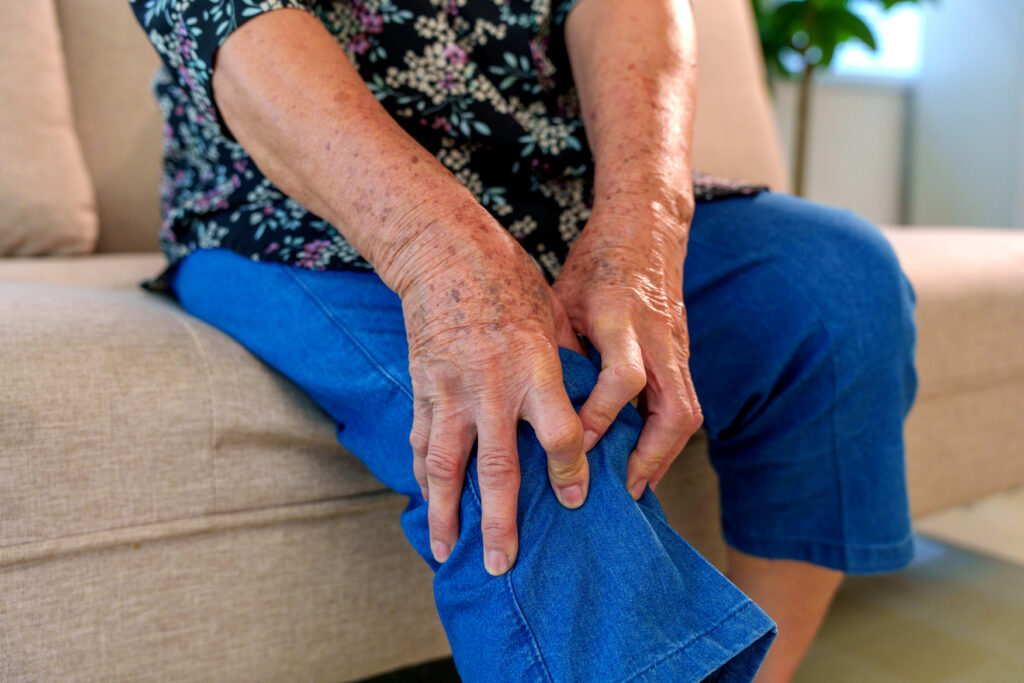
Treatment options may include:
Ultrasound can help evaluate the plantar fascia and guide treatment accurately toward the affected area. The recommended approach will depend on the duration and severity of symptoms, prior care, and clinical findings.
Treatment is designed to reduce pain and help patients return to walking, work, exercise, and daily activities more comfortably.
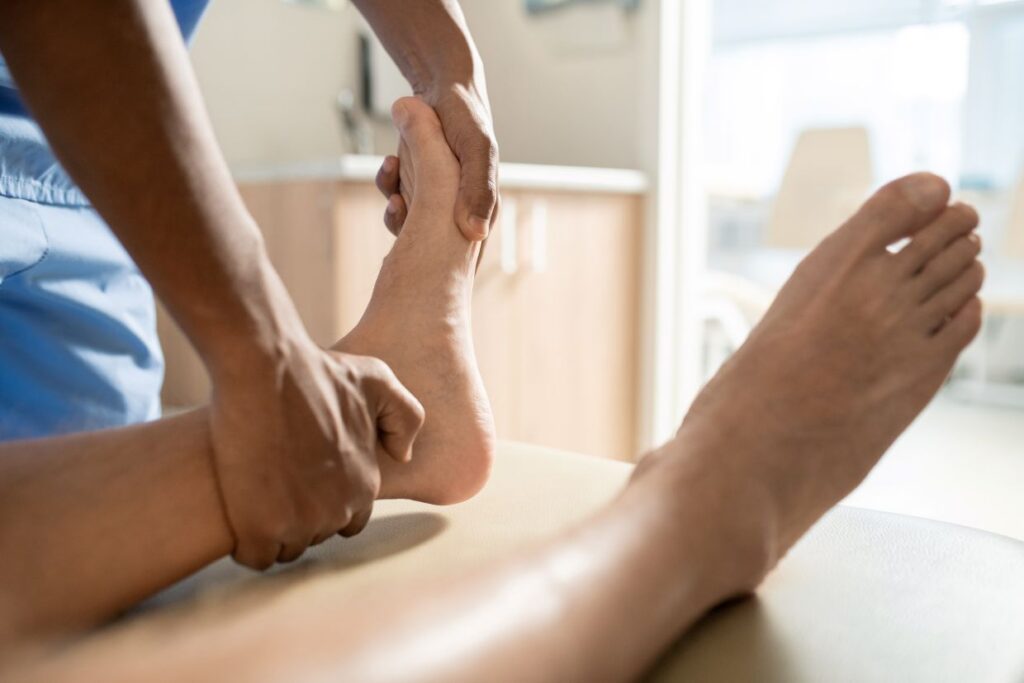
Bursitis can affect several areas of the body and may develop from repetitive activity, direct pressure, injury, or irritation involving nearby tendons.
Treatment options may include:
Image guidance helps the provider accurately target the affected bursa. The recommended treatment will depend on the location of the bursitis, the duration of symptoms, and whether tendon or other soft-tissue involvement is also suspected.
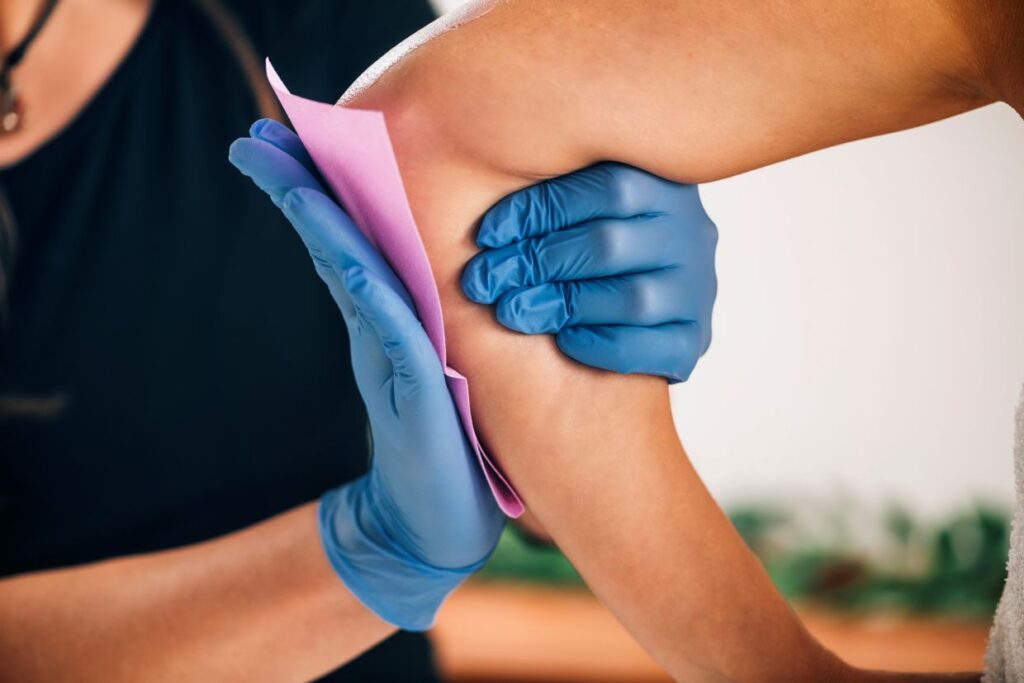
Joint and soft-tissue injuries often involve small or closely positioned structures. Image guidance helps improve accuracy by allowing the provider to see the treatment area during the procedure.
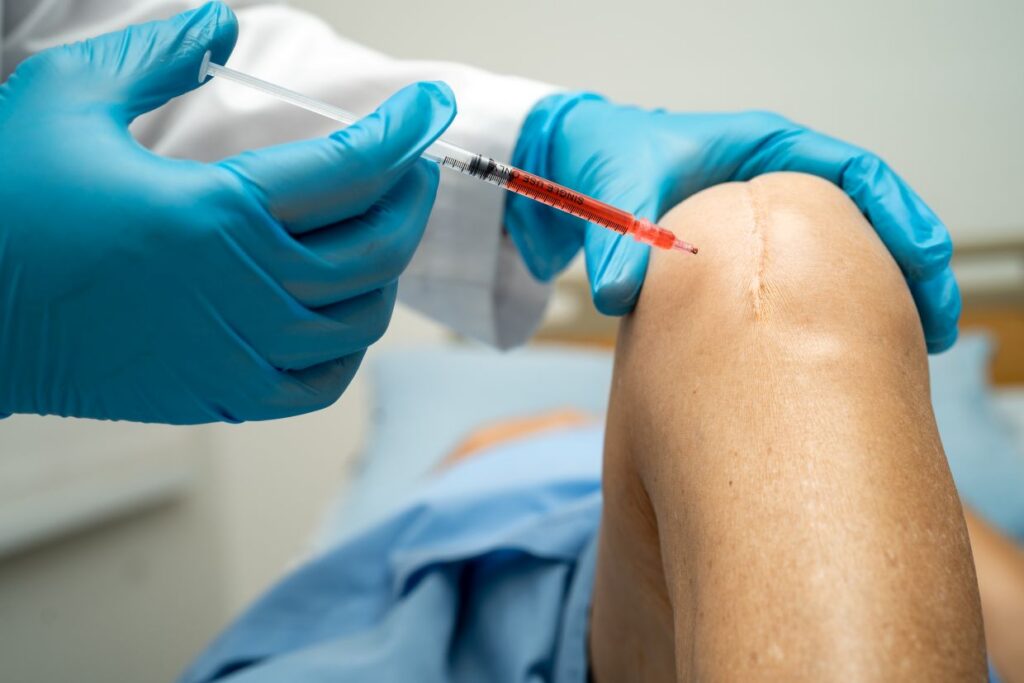
PRP, or platelet-rich plasma, may be considered in appropriate cases involving tendon pain, ligament injury, plantar fasciitis, bursitis, small joint pain, or sports-related injuries.
PRP is prepared from a sample of the patient’s own blood and concentrated before being injected into the targeted area. Whether PRP or another orthobiologic option is appropriate depends on the diagnosis, affected tissue, symptom duration, imaging findings, and previous response to care.
These treatments are not appropriate for every injury. A focused evaluation can help determine whether an orthobiologic option may fit your condition and treatment goals.

Your evaluation may include a physical exam, a review of your symptoms and medical history, and a discussion of whether imaging, prior records, or additional diagnostic steps are needed to better understand your condition and recommend appropriate next steps.
We may ask about:
Your provider may also evaluate range of motion, strength, joint stability, areas of tenderness, and whether the symptoms appear to involve a joint, tendon, ligament, bursa, plantar fascia, or another soft tissue.
From there, we can discuss which treatment options may be appropriate for your specific diagnosis and goals.
Not all joint or sports-related pain comes from the same source. Tendon irritation, ligament damage, bursitis, arthritis, plantar fasciitis, and other soft-tissue injuries may require different treatment strategies.
Our approach focuses on: