
Pain in the middle back, ribs, or chest wall can make it difficult to breathe deeply, twist, reach, sleep, or complete everyday activities comfortably. Some patients experience a constant aching sensation, while others develop sharp, burning, or electric-like pain that travels around the rib cage or across the chest wall.
Our pain management team helps identify the likely source of your symptoms and recommend treatment options based on your condition, medical history, and goals.
Click on the tiles below to jump to the common thoracic back, rib, and chest wall conditions we treat:
Thoracic radiculopathy occurs when a nerve in the middle back becomes irritated or compressed. Symptoms may begin near the thoracic spine and travel around one side of the rib cage, chest, or upper abdomen.
Patients may describe the pain as burning, shooting, stabbing, or electric-like. Some also experience numbness, tingling, or increased skin sensitivity along the affected nerve pathway. Symptoms may worsen with certain movements, prolonged positions, coughing, or deep breathing.
Treatment options may include:
The goal is to determine whether inflammation or irritation near a thoracic nerve may be contributing to your symptoms. Your provider may review prior imaging or recommend additional diagnostic steps when needed to better understand the source of your pain.

The facet joints are small joints located along the back of the spine. They support movement and stability but can become painful due to arthritis, age-related changes, injury, or ongoing mechanical stress.
Thoracic facet joint pain may cause a deep, aching sensation in the middle or upper back. Pain can sometimes spread toward the shoulder blade, ribs, or chest wall and may worsen when twisting, extending the spine, or maintaining certain positions.
Treatment options may include:
Medial branch blocks may be used to help determine whether specific facet joints are contributing to your pain. When a diagnostic block provides meaningful temporary relief, thoracic radiofrequency ablation may be considered to provide longer-lasting disruption of the pain signals from those joints.
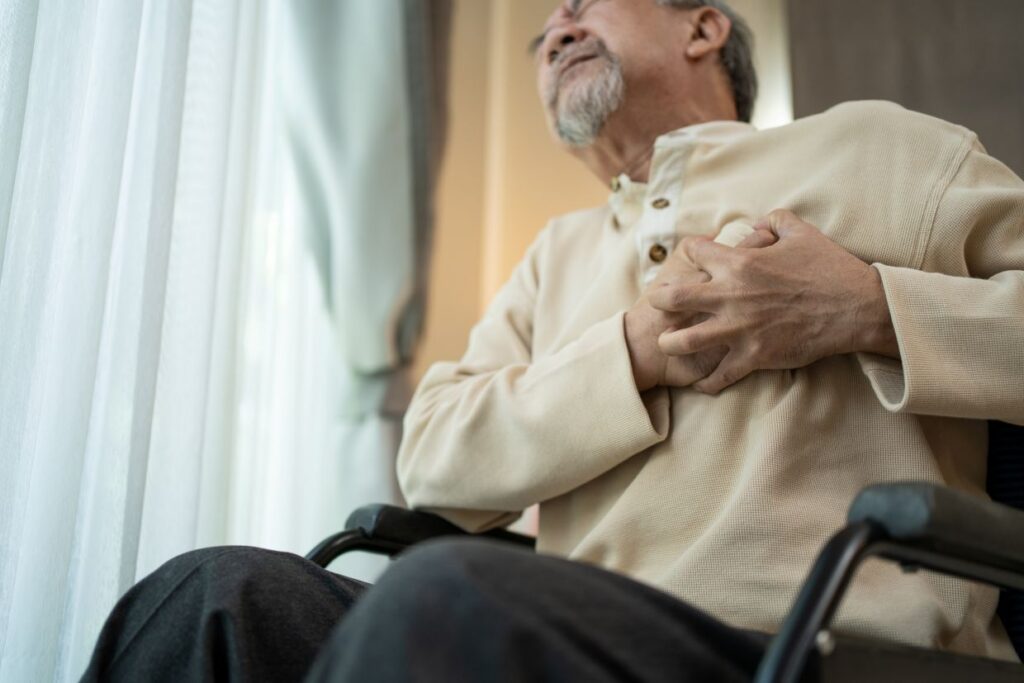
The intercostal nerves run between the ribs and help provide sensation to the chest wall and upper abdomen. When one or more of these nerves become irritated or damaged, patients may develop intercostal neuralgia.
Symptoms may include sharp, burning, aching, or electric-like pain that follows the path of a rib. Some patients experience tenderness, numbness, tingling, or sensitivity to touch. Pain may worsen with movement, coughing, sneezing, laughing, or taking a deep breath.
Treatment options may include:
Intercostal nerve blocks may help determine whether a specific nerve is contributing to your pain while also providing targeted relief. For patients with persistent symptoms, additional procedures may be considered based on the cause of the pain and response to prior treatment.
Post-thoracotomy pain may develop after surgery involving the chest, lungs, ribs, or thoracic cavity. Pain can result from irritation or injury to the intercostal nerves, muscles, scar tissue, ribs, or nearby joints.
Some patients experience pain immediately after surgery, while others continue to have symptoms long after the surgical area has healed. Pain may feel aching, burning, stabbing, or unusually sensitive and may follow the incision or wrap around the chest wall.
Treatment options may include:
Treatment depends on whether the symptoms appear to be coming from an intercostal nerve, surrounding muscles, scar tissue, or another structure in the chest wall.

The costovertebral joints connect the ribs to the thoracic spine. These joints can become irritated from arthritis, injury, repetitive movement, poor mechanics, or strain involving the ribs and surrounding muscles.
Pain may be felt near the spine, along the rib cage, or beneath the shoulder blade. It may worsen with twisting, reaching, deep breathing, coughing, or pressure over the affected area.
Treatment options may include:
A focused examination can help determine whether the pain is more likely coming from a rib joint, nearby muscle, or intercostal nerve.

Your evaluation may include a physical exam, a review of your symptoms and medical history, and a discussion of whether imaging, prior records, or additional diagnostic steps are needed to better understand your condition and recommend appropriate next steps.
We may ask about:
Your provider may also evaluate the thoracic spine, ribs, surrounding muscles, and areas of altered sensation or tenderness.
From there, we can discuss which treatment options may be appropriate for your specific diagnosis and goals.
Not all middle back, rib, or chest wall pain comes from the same source. Thoracic nerve irritation, arthritic facet joints, intercostal neuralgia, muscle pain, and post-surgical nerve damage may require different treatment strategies.
Our approach focuses on: