Chronic nerve pain can continue despite medication, injections, rehabilitation, surgery, or other treatments. Some patients experience burning, shooting, electric-like, or radiating pain, while others have persistent mechanical low back pain or problems with an existing implanted pain therapy system.
We commonly evaluate patients experiencing:
Patients may describe their symptoms as:
Treatment options may include:
Treatment may involve:
Common treatment targets may include:
It may be evaluated for:
Treatment options may include:
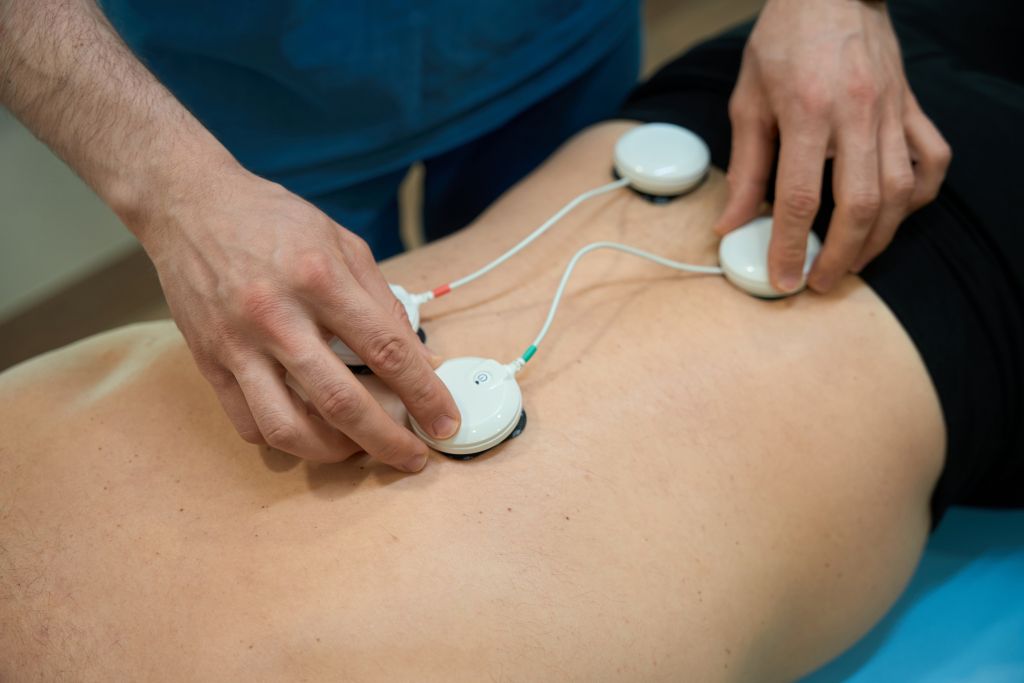
Some chronic mechanical low back pain may be associated with dysfunction of the multifidus muscles, which help stabilize the lumbar spine.
Patients may experience persistent low back pain that worsens with activity, standing, lifting, or changes in position. Symptoms may continue despite rehabilitation, medication, injections, or other conservative treatment.
Treatment options may include:
ReActiv8 is designed to stimulate nerves that activate the multifidus muscles. Unlike stimulation intended primarily to interrupt pain signals, restorative neurostimulation is intended to address dysfunction involving the muscles that support spinal stability.
This treatment is not appropriate for every type of low back pain. Evaluation focuses on whether the patient’s symptoms and clinical findings are consistent with chronic mechanical pain involving multifidus dysfunction.
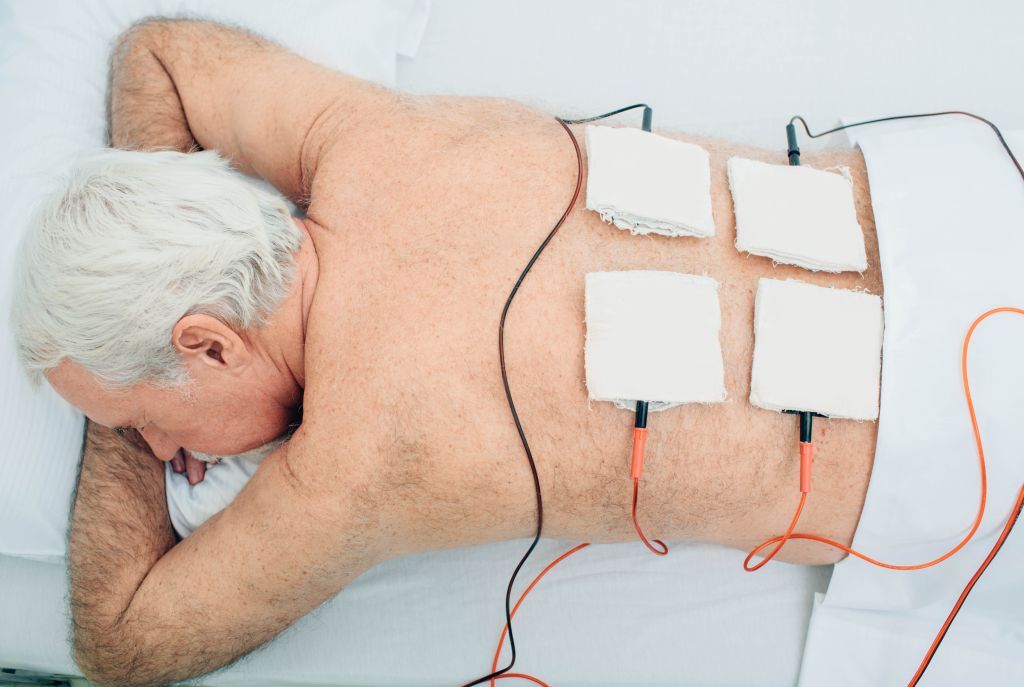
A spinal cord stimulation treatment pathway typically begins with a detailed evaluation. When the patient appears to be an appropriate candidate, a temporary trial may be performed.
During the trial, stimulation leads are placed temporarily so the patient can assess whether the therapy improves pain and function.
The trial may help evaluate:
When the trial is successful, a permanent spinal cord stimulation system may be discussed. The type of system selected depends on the patient’s pain pattern, anatomy, treatment history, and clinical needs.

These may include:
Treatment options may include:
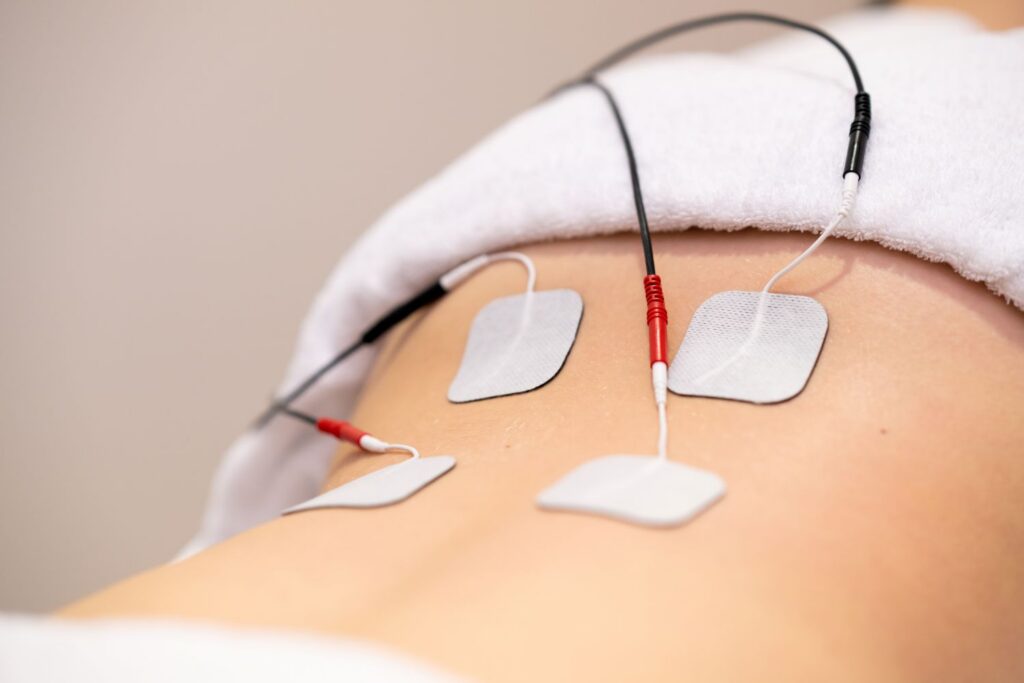
The first step is identifying whether the concern is related to programming, the generator, leads, another hardware component, or a change in the underlying pain condition.
Your provider may coordinate with the device manufacturer’s representative, review prior surgical records, or recommend imaging or other diagnostic steps when needed.
Patients with an existing spinal cord or peripheral nerve stimulation system may experience changes in pain relief, stimulation coverage, charging, or device function over time.
Programming adjustments may help address:
When programming does not resolve the concern, a broader hardware evaluation may be needed. This may include reviewing the generator, lead position, connections, and prior implant information.
Revision or replacement is recommended only when the evaluation indicates that a procedural correction is appropriate.
All reviews
 HealthgradesPosted on Google
 Soheir Wasef1 days ago
Trustindex verifies that the original source of the review is Google.
Dr. Travis Martin was an excellent listener and took the time to carefully understand my concerns. He explained everything clearly and in great detail, making sure I understood the information and felt comfortable asking questions. I truly appreciated his patience, professionalism, and the time he devoted to me. I highly recommend him to anyone looking for a caring and attentive doctor.Posted on Google Jorge Quintanilla2 days agoPosted on Google
 Markus Smith9 days agoExcellent care at Prestige Pain & Trauma Institute. Dr. Martin is knowledgeable, patient, and genuinely cares about his patients. The staff is professional and supportive. I’ve experienced real relief from my chronic pain.Posted on Google
 Christopher Consolo10 days agoPosted on Google
 Nancy Ruano13 days agoThe staff is very friendly and Dr Travis Martin was very informative and friendly as well. Office was very clean. Looking forward to treatment. Thank you!Posted on Google
 Yeab Tsegaye26 days agoOutstanding experience at Prestige Pain & Trauma Institute. Dr. Martin is skilled, attentive, and the staff is friendly. The procedures helped reduce my pain significantly. Best pain management clinic I’ve been to!Posted on Google
 Alex Kingston26 days agoDr. Martin at Prestige Pain is excellent. He took the time to explain everything clearly and provided effective treatment for my chronic back pain. Professional, knowledgeable, and truly cares about his patients.Posted on Google
 Jesus Castillo41 days agoI had a good experience, the Doctor was very knowledgeable and explained everything very well.Posted on Google
 Best ed44 days agoThe nurse and the doctor are very nice, they go through details and listen carefully to me, and waited for my translation to and from my mom to them. A very good experience with Dr Travis and his staffPosted on Google
 _CaliCubPedro _49 days agoGreet recommendation for a brighter future and a deserved recovery for me thank youPosted on Healthgrades
 Healthgrades User157 days ago
Trustindex verifies that the original source of the review is Healthgrades.
Kind and peace instilling treatment The demeanor of the doctor and staff was very professional while still being very kind and creating a calming atmosphere.Posted on Healthgrades Healthgrades User171 days agoElizabeth Mercier Dr. Travis was great. He told me what was happening and after pain meds were in, I should feel any pain. And if I did let him know and he would give me more pain med. All I felt after numbing injection was presure and in let me know I would feel that, but it was normal. It's a quick procedure and so far so good. The staff were very professional and helpful. Great team! I'm looking forward to feeling better for a bit.Posted on Healthgrades
 Healthgrades User185 days agoHighly professional. Attentive with a good bedside manner. Patient felt informed about what to expect.Posted on HealthgradesHealthgrades User188 days agoVery knowledgeable. I was made to feel comfortable. My questions were answeredPosted on Healthgrades
 Healthgrades User205 days agoHis patient to doctor communications is excellent He's easy to talk to understanding of your needs and is there to assist in help in any way he canPosted on HealthgradesHealthgrades User206 days agoThe greatest Dr. Travis Martin Made me feel safe and comfortable. He has so much patience that that’s what made me feel safe. I was really scared but not with him. Thank you so he’s the best.Posted on Healthgrades
 Healthgrades User210 days agoPatient Explaining what was going to happen and the results, attention to patient’s follow upPosted on HealthgradesHealthgrades User214 days agoAnswered all questions, very professionalPosted on HealthgradesHealthgrades User215 days agoDr. Explain explained every detail on my procedure Very nice and not in a hurry. Explain ed every detail.Posted on HealthgradesHealthgrades User215 days agoAwesome and so kind Everyone is so kind. My procedure was quick and I felt less pain then any other Dr…He explained everything even my question. Very bed side manner which I fully appreciate with all my Heart. Tysm Dr. Martin

Your evaluation may include a physical exam, a detailed review of your symptoms and treatment history, and a discussion of whether prior records, imaging, operative reports, or additional diagnostic steps are needed.
We may ask about:
For patients with an existing device, we may also review:
From there, we can discuss whether a stimulation trial, permanent implant, programming adjustment, revision, generator replacement, or another treatment may be appropriate.
Not all chronic pain responds to the same form of neuromodulation. Widespread neuropathic pain, focal peripheral neuralgia, CRPS, and mechanical low back pain related to multifidus dysfunction may require different treatment strategies.
Our approach focuses on:
An implanted pain therapy is not the right choice for every patient. A focused evaluation can help determine whether neuromodulation fits your diagnosis, treatment history, and goals.

If chronic nerve pain, CRPS, focal peripheral pain, mechanical low back pain, or problems with an existing stimulator are interfering with your sleep, mobility, work, or daily life, our team can evaluate your condition and discuss available treatment options.